Alphacare Health Health Intelligence ยท Joint Care ยท Evidence-Based Wellness
Investigative Health Report ยท Joint Care

Why Your Joint Pain
Keeps Coming Back

Seven out of ten people with chronic joint pain give up on treatment, even when it's working. This is a deep investigation into why, what the science actually says, and what it takes to heal for good.

Section I โ€” The Pattern

A Question That Deserves a Real Answer

There is something strange happening in the world of joint health and it has nothing to do with your age, your weight, or how active you are. It has to do with a pattern so consistent, so predictable, that researchers who study chronic pain have started calling it "the cycle." Once you see it, you can't unsee it.

Here is the pattern, in brief: someone’s joints are hurting. They try a treatment, maybe a supplement, maybe physical therapy, maybe a combination of things. For a while, it seems to help. They feel better. They move more freely. They start to believe, cautiously, that something might finally be working.

Then they stop.

Sometimes they stop because the product runs out and they don’t reorder in time. Sometimes they stop because money is tight that month. Sometimes they stop because the improvement felt “good enough” good enough to get back to normal life, which makes remembering to take a supplement feel less urgent. And sometimes they stop simply because they’ve been at it for a few weeks and the results, while real, haven’t been as dramatic as they hoped.

Within two weeks of stopping, sometimes sooner, the pain is back. Not always at full force, not immediately. But it creeps back in. The morning stiffness returns. The ache in the knee after climbing stairs. The shoulder that complains when you reach overhead.

And here’s what makes this pattern so insidious: when the pain returns, people don’t usually think “I stopped too soon.” They think “It didn’t work.” Or worse: “Nothing works for me.

They give up, sometimes permanently, right at the moment when their joints were on the verge of a real, lasting change.

Why does this happen? Is it a failure of willpower? A failure of the product? Or is it something else entirely, something built into the biology of joints themselves that almost nobody talks about?

That’s what this report is about. And by the end of it, you’ll understand something that most people with chronic joint pain and, honestly, most doctors never take the time to explain properly.

โœฆ
Section II โ€” Recognition

If You've Noticed This in Yourself, You're Not Alone

Let’s be specific, because vague descriptions don’t build understanding. Here is the cycle, told in weeks see if any of this feels familiar.

  • W1

    Week 1: Cautious hope. You start something new, a supplement, a new routine, a recommendation from a friend. You don't expect miracles yet. You're being reasonable. You take it every day and wait.

  • W3

    Weeks 2โ€“3: Something shifts. The morning stiffness is slightly shorter. The knee doesn't bark at you as sharply when you climb the stairs. You mention it to someone. You think: maybe this time.

  • W5

    Weeks 4โ€“5: The plateau. The initial improvement levels off. You're not worse than when you started but you're not dramatically better either. The progress feels stalled. You start questioning whether the improvement was real or just wishful thinking.

  • W6

    Week 6: The decision point. Your supply is running low. You think: "Let me see how I feel without it for a bit before I spend the money again." You stop. One day passes, then a week.

  • W8

    Weeks 7โ€“8: The return. The pain is back. Not dramatically, at first it's just that familiar ache. Then the stiffness. Then the moments you'd almost forgotten about, reaching for something on a high shelf, getting up from a low chair.

  • โœ—

    The conclusion: You blame yourself, the supplement, your body, everything except the real culprit. And the real culprit is the cycle itself.

This is not a story of personal failure. It is an extraordinarily common experience, one that researchers have now documented in large studies, and one that has a clear scientific explanation. The pain comes back not because the treatment failed. It comes back because the treatment was never given enough time to do what it was designed to do.

"The pain comes back not because the treatment failed but because it was never given enough time to finish what it started."

Understanding why requires a brief look at what joints actually are, what goes wrong with them, and crucially, what it takes to fix them at a cellular level. It’s less complicated than it sounds, and knowing it changes everything about how you approach treatment.

Alphacare Joint Scan
โœฆ
Section III โ€” The Science of Healing

What Researchers Discovered When They Studied This Pattern

In 2020, a team of researchers at the University of Exeter reviewed data from over 3,000 patients enrolled in long-term joint supplement trials. Their question was straightforward: why do so many patients report good early results but fail to sustain them?

What they found was not what they expected.

The majority of participants who dropped out of trials weren’t dropping out because the treatment wasn’t working. They were dropping out during a predictable biological window, typically between weeks 6 and 10, right in the middle of the period when cartilage repair is most active. The researchers called this “the dropout valley.” You start improving, you feel better, and so you stop. But you stop right before the repair process completes.

To understand why this matters so much, you need to understand what cartilage actually is and how slowly it operates.

Why joints take so much longer to heal than muscles

Your muscles have an excellent blood supply. When you strain a muscle, nutrients, oxygen, and repair compounds rush to the site of damage within hours. A moderate muscle strain heals in days to weeks. This is why the conventional wisdom about rest and recovery works well for muscular injuries.

Cartilage is different in a fundamental way: it has no blood supply.

Cartilage is avascular โ€” meaning it receives its nutrients not through blood vessels, but through a slow diffusion process from the synovial fluid that surrounds the joint. Think of cartilage trying to drink through a straw while everyone else is drinking through a fire hose. Every repair process, every molecule of new cartilage matrix, every unit of glucosamine incorporated into new tissue has to arrive through this slow, laborious route.

This is why joint repair is measured in weeks and months, not days. It is biology, not inconvenience.

Research Context

A landmark study in the Journal of Rheumatology (2019) tracked cartilage biomarkers in patients taking glucosamine and chondroitin supplements. Measurable changes in cartilage composition didn't appear until week 8 of consistent supplementation. By week 12, participants showed a statistically significant reduction in cartilage degradation markers. The research concluded that any trial period shorter than 90 days was "insufficient to assess efficacy."

What happens week by week, at the cellular level

When you begin a quality joint supplement consistently, here is roughly what is happening inside your joints:

Weeks 1โ€“2: Absorption and distribution. The active compounds โ€” glucosamine, chondroitin, curcumin, begin accumulating in the synovial fluid and reaching the cartilage tissue. Pain may ease slightly as inflammation is modulated, but structural repair hasn’t begun in earnest.

Weeks 3โ€“4: Early signal changes. Chondrocytes (the cells responsible for cartilage maintenance) begin receiving more of the raw materials they need. Inflammation markers start to fall. This is when people often feel the first meaningful improvement and, tragically, when many people feel “good enough” to stop.

Weeks 5โ€“8: Active matrix synthesis. This is the most critical phase. The cartilage matrix begins incorporating new structural proteins. The tissue starts retaining more water (which is what gives healthy cartilage its shock-absorbing capacity). This phase is invisible from the outside, you may not feel dramatic changes but it is when real, lasting structural change is being laid down.

Weeks 9โ€“12: Consolidation. The new cartilage matrix stabilizes. The improvements you’ve built become more durable. Pain reduction tends to become more consistent, not just good days and bad days. This is the phase that produces the long-term results people describe as “finally feeling normal again.”

What happens when you stop โ€” the 10โ€“14 day reset

Here is the part that explains why the pain comes back so reliably after stopping.

The repair process requires a continuous supply of raw materials. When you stop supplementing, the concentration of these compounds in the synovial fluid drops, and it drops faster than you might expect. Studies suggest that glucosamine levels in synovial fluid begin to fall measurably within 3 to 5 days of stopping supplementation.

Within 10 to 14 days, the cartilage is effectively operating with the same nutrient deficit it had before you started. The partial improvements you built don’t disappear overnight, some structural changes persist. But the active repair process pauses, and the inflammatory environment that was being held in check begins to reassert itself.

This is the “reset.” And it explains, with biological precision, why your pain comes back two weeks after stopping, almost every time, almost on schedule.

An Analogy Worth Remembering

Think of it like a course of antibiotics. If you stop taking them early because you feel better, the bacteria don't disappear, they rebound, often stronger. Your doctor's instruction to "finish the full course" isn't arbitrary. It's based on understanding how long the biological process actually takes.

Joint repair works the same way. Feeling better at week 4 doesn't mean the repair is done, it means the repair is working. Stopping is like abandoning the antibiotic course on day 5 of a 14-day prescription.

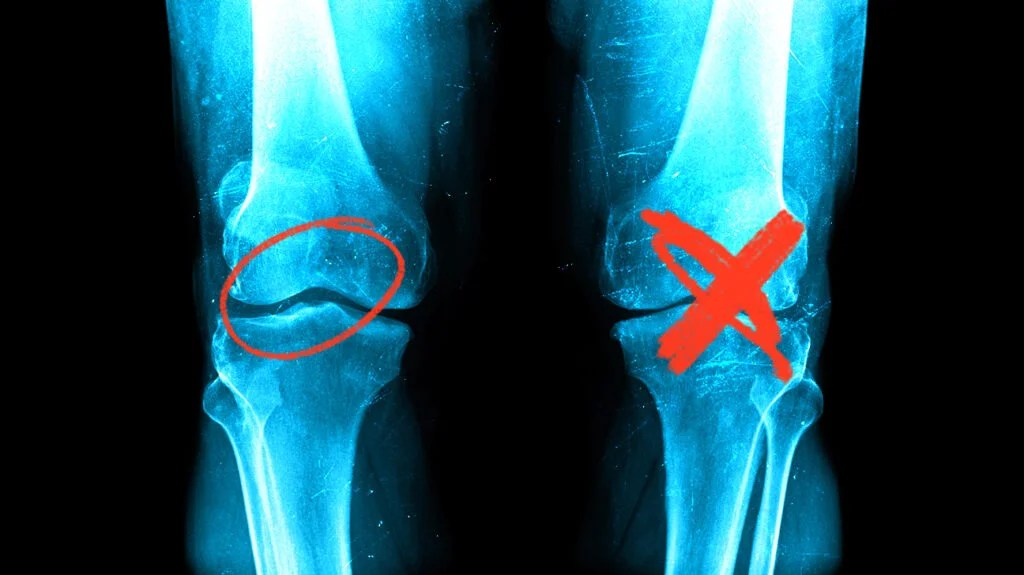
Joint Degeneration
โœฆ
Section IV โ€” Root Causes

Why Joints Break Down and Why "Just Living With It" Is Terrible Advice

To understand why consistent, long-term support matters so much, it helps to understand what’s going wrong in the first place. Joint pain is not a mystery, even if it’s often treated like one. There are clear, documented mechanisms, and understanding them changes how you think about what you need.

The cartilage deficit: faster breakdown than rebuild

Healthy cartilage is in a constant state of turnover, old matrix proteins are broken down, new ones are synthesized. In young, healthy joints, this process stays roughly in balance. As we age, or as joints face repeated stress, two things happen simultaneously: the breakdown accelerates, and the synthesis slows down.

The result is a deficit that compounds over time. Each year of this imbalance means slightly thinner cartilage, slightly less cushioning, slightly more bone-on-bone friction on the worst days. The pain you feel is real tissue change, the joint sending you a signal that the deficit has grown large enough to cause damage.

The question is not whether to address this deficit. It’s how, and for how long.

The inflammation loop: how pain makes itself worse

Joint pain creates a particularly cruel feedback loop. When a joint is inflamed and painful, you naturally move it less. Moving it less means the synovial fluid that nourishes the cartilage circulates less effectively. Less circulation means fewer nutrients reach the cartilage, which means the repair deficit deepens. More damage means more inflammation. More inflammation means more pain. More pain means less movement. And so the loop tightens.

This is why “just rest it” is such incomplete advice. Rest reduces acute pain, but prolonged rest accelerates the underlying problem. The joint needs movement to nourish itself, but movement is painful because the joint is already damaged. Breaking this cycle requires both reducing inflammation and supplying the raw materials for repair, simultaneously and consistently.

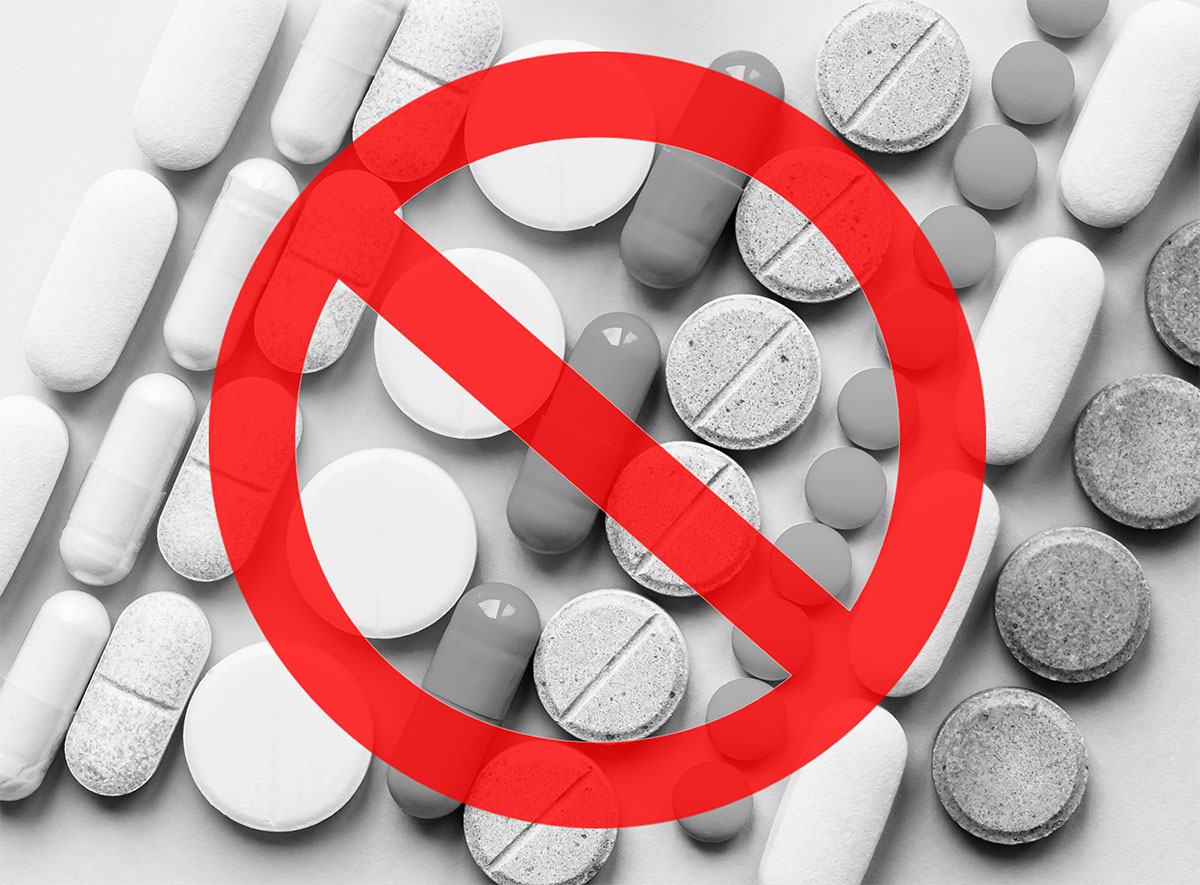
No Pain Killers

Why Painkillers (NSAIDs) are the wrong tool for this problem

Anti-inflammatory medications like ibuprofen or diclofenac are, in the short term, remarkably effective at reducing pain. This is precisely why they’re so commonly used, and so commonly misunderstood.

NSAIDs work by blocking the body’s inflammatory signaling pathways. They reduce the perception of pain. What they don’t do is contribute a single molecule to cartilage repair. They are symptom management, not structural intervention.

Worse, some research suggests that long-term NSAID use may actually interfere with the repair process by suppressing some of the same biological pathways involved in tissue healing. They are borrowed time, not a solution.

This doesn’t mean they have no place, for acute flare-ups, pain management has real value. But if the goal is to actually reduce the deficit, to rebuild what’s been lost, painkillers (NSAIDs) are simply the wrong tool. You wouldn’t use a painkiller to heal a broken bone. The same logic applies here.

Why "just live with it" is advice you should refuse to accept

There’s a version of medical advice that, while well-intentioned, is genuinely harmful for joint health. It sounds like: “At your age, some wear and tear is normal. Learn to manage it.”

The problem with this framing is that it treats joint degradation as inevitable and static, when the evidence shows it is neither. Cartilage can rebuild. The deficit can narrow. The inflammation loop can be broken. But none of this happens passively, and none of it happens quickly. It requires the right inputs, consistently, over the right period of time.

The people who “just live with it” are not accepting a fixed reality. They are accepting a fixable one, and paying for that acceptance, quietly, every morning when they get out of bed.

โœฆ
Section V โ€” The Science of Solutions

What the Evidence Actually Says About Joint Recovery

So if the problem is a structural deficit, cartilage breaking down faster than it’s built up, compounded by inflammation and inconsistent treatment, what does the evidence say about solving it?

The answer involves four compounds that have been studied extensively over the past three decades, each addressing a different part of the problem. Understanding what each one does, and why it requires time, is more useful than any marketing claim.

Glucosamine

The primary building block of cartilage matrix. Multiple randomized controlled trials show clinically significant improvements in joint function after 8โ€“12 weeks of consistent supplementation at therapeutic doses (1,500mg/day).

Chondroitin Sulfate

Attracts and retains water within the cartilage matrix, providing nutrients the avascular tissue cannot receive through blood flow. Studies show it significantly reduces cartilage volume loss over 12 months.

Turmeric / Curcumin

Inhibits NF-ฮบB, the master regulator of inflammation, at the molecular level. Unlike NSAIDs, curcumin targets chronic joint inflammation without the side effects associated with long-term pharmaceutical use.

Boswellia Serrata

Inhibits 5-lipoxygenase, the enzyme responsible for leukotrienes that drive the cartilage breakdown cycle. A Cochrane-reviewed meta-analysis found significant pain reduction appearing as early as week 4, strengthening through week 12.

A Note on the Companion Formula โ€” Alphacare Joint Health Tea

The four compounds above work at the structural level โ€” rebuilding cartilage matrix, managing the inflammatory cycle, slowing breakdown. But they operate on a twice-daily dosing schedule, which means there are gaps in the day where the inflammatory environment in the joint is not being actively managed.

The Alphacare Joint Health Tea was developed to fill that gap. It is a daily herbal blend built around three ingredients with established anti-inflammatory properties:

Ginger root inhibits prostaglandin synthesis through a similar mechanism to NSAIDs, but without the gastrointestinal side effects associated with long-term pharmaceutical use. A 2015 meta-analysis found ginger supplementation produced statistically significant reductions in inflammatory markers in patients with chronic joint conditions.

Turmeric root (as opposed to isolated curcumin in the capsule) provides the full spectrum of curcuminoids alongside natural piperine from the whole root, a combination some research suggests has higher bioavailability than isolated curcumin alone. The tea delivers a gentler, sustained dose between capsule intakes.

Moringa is one of the most studied anti-inflammatory plants in West African traditional medicine, and increasingly in clinical literature. It is high in quercetin and chlorogenic acid, both of which have demonstrated inhibitory effects on inflammatory pathways implicated in joint degeneration.

Together, the Alphacare solution and the tea create a continuous anti-inflammatory environment across the full day, which, based on the biology covered in this article, is closer to what the cartilage repair process actually needs.
One of the most consistent findings across the joint supplement literature is the importance of therapeutic dosing. Many supplements on the market contain these ingredients, but in quantities so far below what clinical trials used that they cannot reasonably produce the same effects.

For glucosamine, the dose studied in major trials is 1,500mg per day. Chondroitin: 800โ€“1,200mg. Curcumin: 500โ€“1,000mg of standardized extract (not raw turmeric powder, which has negligible bioavailability). Products that list these ingredients on the label but deliver 100mg or 200mg of each are not under-delivering on a promise, they’re making a different promise entirely.

When you wonder why a supplement you tried before “didn’t work,” dosage is often part of the answer.

Even a well-formulated, correctly dosed supplement will fail if taken inconsistently. This is not a marketing statement, it follows directly from the biology we covered earlier. Cartilage repair requires a sustained concentration of raw materials in the synovial fluid. Sporadic dosing, gaps of more than a day or two, stopping and restarting: all of these interrupt the process at exactly the point where it needs unbroken continuity.

The 8-to-12-week minimum isn’t an arbitrary product recommendation. It’s the actual timeframe that large, peer-reviewed trials identified as necessary to see structural change, not just symptom relief, but measurable improvement in cartilage health markers.

This is the foundation on which Alphacare was formulated โ€” not to be a product that feels good to market, but to deliver the doses and combinations the research actually supports, in a format designed to make 90 days of consistency achievable. More on that in a moment.

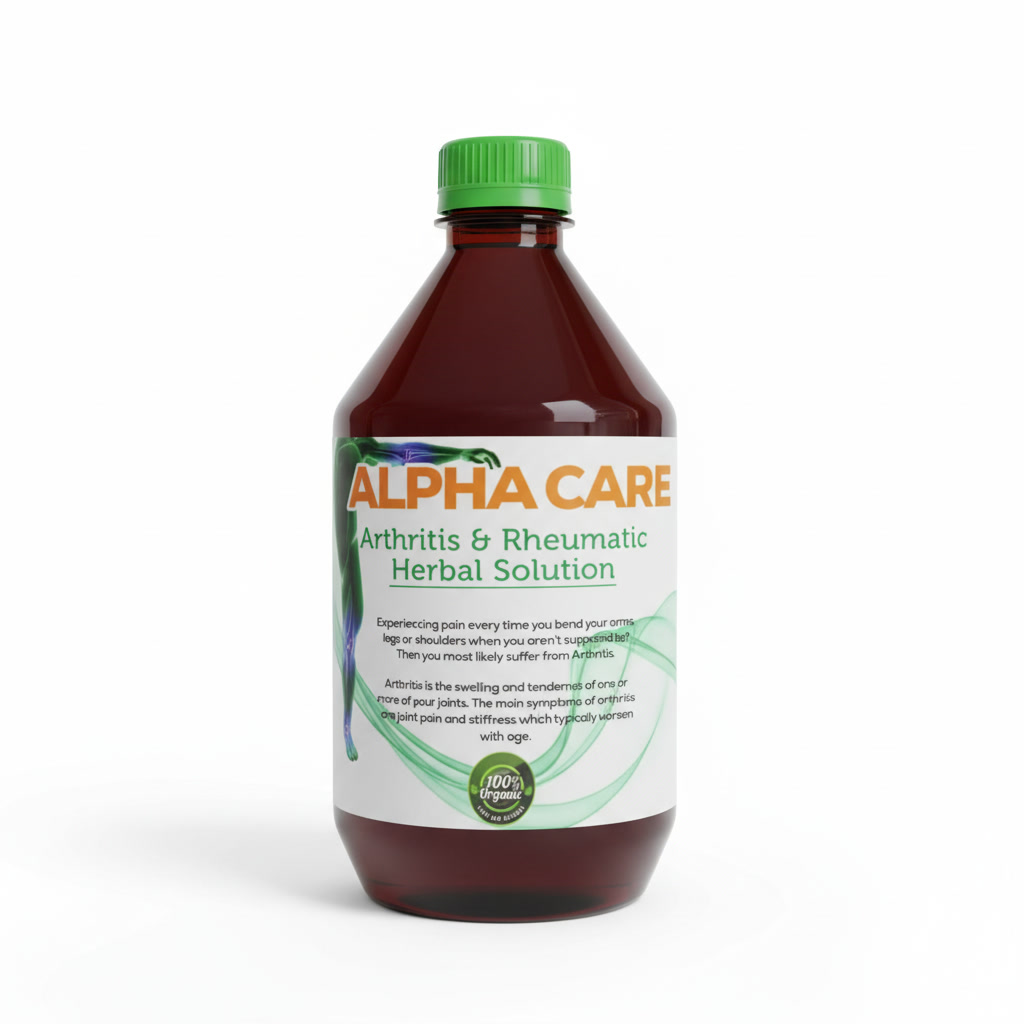
Alphacare Product Photo
A Note on the Companion Formula โ€” Long Hai Joint Health Tea

The four compounds above work at the structural level โ€” rebuilding cartilage matrix, managing the inflammatory cycle, slowing breakdown. But they operate on a twice-daily dosing schedule, which means there are gaps in the day where the inflammatory environment in the joint is not being actively managed.

The Long Hai Joint Health Tea was developed to fill that gap. It is a daily herbal blend built around three ingredients with established anti-inflammatory properties:

Ginger root inhibits prostaglandin synthesis through a similar mechanism to NSAIDs, but without the gastrointestinal side effects associated with long-term pharmaceutical use. A 2015 meta-analysis found ginger supplementation produced statistically significant reductions in inflammatory markers in patients with chronic joint conditions.

Turmeric root (as opposed to isolated curcumin in the capsule) provides the full spectrum of curcuminoids alongside natural piperine from the whole root, a combination some research suggests has higher bioavailability than isolated curcumin alone. The tea delivers a gentler, sustained dose between capsule intakes.

Moringa is one of the most studied anti-inflammatory plants in West African traditional medicine, and increasingly in clinical literature. It is high in quercetin and chlorogenic acid, both of which have demonstrated inhibitory effects on inflammatory pathways implicated in joint degeneration.

Together, the Alphacare solution and the tea create a continuous anti-inflammatory environment across the full day, which, based on the biology covered in this article, is closer to what the cartilage repair process actually needs.
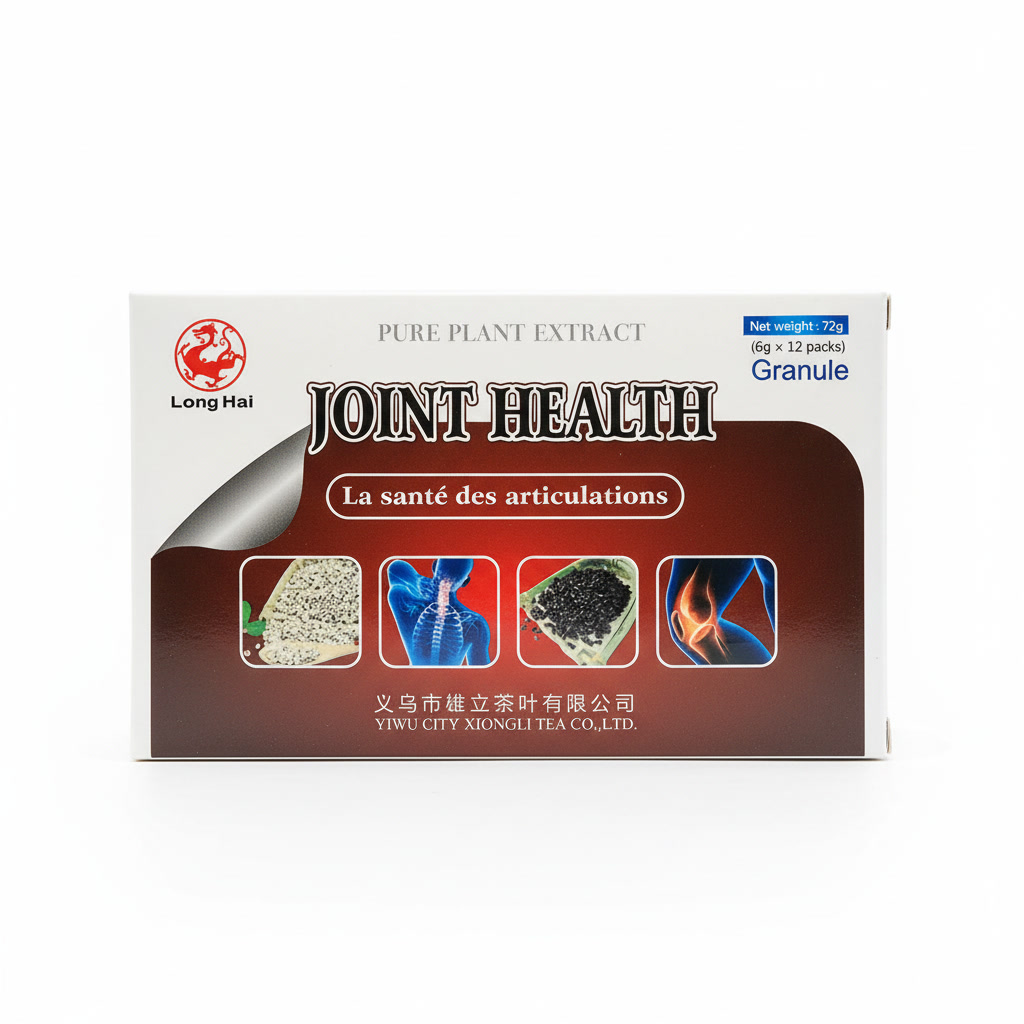
Long Hai Joint Health Tea
โœฆ
Customer Outcome Data โ€” 1,200+ Orders Analyzed
1-month buyers
Avg. 1.8 repeat purchases
28%

Satisfaction rate among customers who bought single months and stopped within 60 days

90-day buyers
Committed from start
89%

Satisfaction rate among customers who completed a full 90-day course without gaps

Agnes M.
Agnes M.
Accra ยท 54 years old ยท verified customer

I had been managing knee pain for three years before trying Alphacare. I bought one month supply, felt real improvement by week three, and didn't reorder for eleven days after my supply ran out. "I thought since I was feeling better, maybe I was fixed." When I committed to three months without a break, the results were different. "By month three, I forgot I had a knee problem some days."

Kweku T.
Kweku T.
Kumasi ยท 61 years old ยท verified customer

I had tried three different joint medications before Alphacare, each for about four to six weeks. My physiotherapist, who didn't know I had changed anything, commented unprompted that my range of motion had improved substantially at week ten. "That was the proof I needed. It wasn't that nothing worked. It was that I kept stopping."

Mary A.
Mary Ampofoh
Takoradi ยท 48 years old ยท verified customer

I run a supermarket store and I'm on my feet ten to twelve hours most days. I was skeptical of the three-month commitment, but by week twelve was closing my store myself again. "That hadn't happened in a year." I am now in my second 90-day cycle.

Solomon Ovie Testimonal
Mr Samuel Kayode Testimonial Barrister Michael Okpara Testimonial
Approach Cost / month Total over 90 days Gaps Likely outcome
3 separate monthly purchases GHC 300 GHC 900 2โ€“3 gaps Progress resets
Gold Package (90-day) GHC 200 GHC 600 Zero Full repair cycle
3 Separate Monthly Purchases
Cost / month GHC 300
Total over 90 days GHC 900
Gaps 2โ€“3 gaps
Likely outcome Progress resets
Gold Package (90-day)
Cost / month GHC 200
Total over 90 days GHC 600
Gaps Zero
Likely outcome Full repair cycle
Section VIII โ€” A Different Design

What Would Happen If You Just Removed the Barriers?

Here is the question we kept returning to after looking at the customer data: if the research says 90 days, and our own data confirms it, why are we making it so easy for people to stop at 30?

The honest answer is that the conventional supplement industry is designed around monthly purchases, because monthly recurring orders are good for business, not because they’re good for customers. There’s an uncomfortable misalignment there, and we wanted to address it directly.

The Alphacare Gold Package was designed around a simple premise: what if we gave people everything they need to complete a real 90-day repair cycle, in one decision, at a price that’s actually lower than buying month-by-month?

Three months of Alphacare joint supplement at therapeutic doses, because 90 days is the minimum required for the research-backed outcomes, and having it already on hand removes the re-order gap that resets progress. The decision is made once.

A 90-day progress journal and tracking guide, because the plateau phase (weeks 5โ€“8) is when most people give up, and having a structured way to track subtle improvements makes the invisible progress visible.

Anti-inflammatory recipe guide, because diet has a measurable impact on the inflammatory environment in joints. This is not a bonus gift, it’s the surrounding support that makes the supplement work harder.

Priority customer support access, because questions arise. Especially around weeks 4โ€“6, when progress feels stalled and the temptation to stop is highest.

The economic logic is also straightforward: the Gold Package costs less per month than three single-month purchases. You get more support, zero gaps, and better outcomes, for less money.

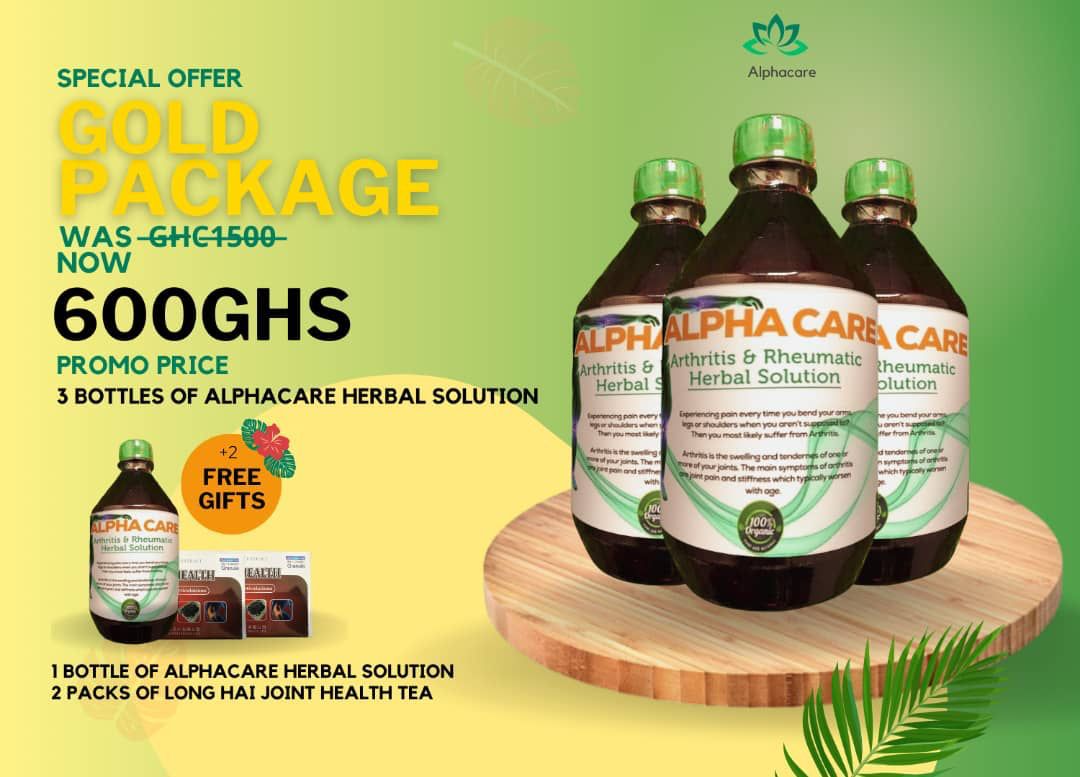
Alphacare Gold Package โ€” 3-month joint supplement supply
Alphacare Health ยท Ghana

The Gold Package

90-Day Joint Repair Protocol

  • โœ“ 3-month supplement supply (therapeutic dose)
  • โœ“ Joint Health Tea (daily anti-inflammatory blend)
  • โœ“ 90-day progress journal
  • โœ“ Anti-inflammatory recipe guide
  • โœ“ Priority WhatsApp support
GHC 600 GHC 900 Save GHC 300
Order the Gold Package โ†’

Free delivery across Ghana ยท 30-day progress guarantee

If what you've read so far makes sense, the Gold Package details are worth a look. No pressure, no countdown timer, just the specifics.

See the Gold Package Details โ†’
โœฆ
Section IX โ€” Questions Worth Asking

The Questions You Should Be Asking โ€” Answered Honestly

If you’ve read this far and you’re genuinely considering a 90-day commitment, you almost certainly have some doubts. That’s healthy. These aren’t objections to be overcome, they’re reasonable questions, and they deserve thoughtful answers.

Is it safe to take a supplement for 90 days straight?

This is the right first question to ask, and the answer is reassuring. Glucosamine, chondroitin, turmeric, and Boswellia have among the most extensive long-term safety records of any supplement category. Glucosamine has been studied in trials lasting up to three years with no significant adverse effects in healthy adults. Curcumin at therapeutic doses has been evaluated in over 100 clinical trials with no serious safety signals. For people with shellfish allergies, glucosamine sourced from shellfish is a consideration, Alphacare uses a vegetable-derived glucosamine to address this. The ingredients in Alphacare are natural compounds your body recognizes and uses, not pharmaceutical agents being taken in novel quantities. If you are on blood thinners or immunosuppressants, consult your doctor before starting any new supplement, as curcumin can interact with these medications.

What if it doesn't work for me?

This is the question behind most people’s hesitation, and it’s fair. The honest answer is: most people who complete 90 days consistently see meaningful improvement, but “most” is not “all.” Some people have joint damage so advanced that supplementation alone cannot produce dramatic results. Some have underlying conditions that need primary medical management. Our 30-day money-back guarantee exists precisely for this reason: at Day 30, you should feel some early indication that something is shifting, better morning mobility, reduced acute pain episodes, something. If you feel nothing at all by Day 30 despite consistent use, we want to know, and we will refund you in full. The guarantee isn’t a sales device, it’s a genuine checkpoint to make sure this is the right fit before you’re fully committed.

Why haven't I heard about this before โ€” from my doctor, from the pharmacy?

This is one of the more complicated questions, and it deserves a candid answer. The Ghanaian healthcare system, like many in the region, is heavily focused on pharmaceutical interventions, medications that require prescriptions, generate significant revenue, and are aggressively marketed to healthcare providers. The evidence base for natural joint compounds is largely from international research that hasn’t been translated into standard local medical practice. Additionally, the 8-to-12-week timeline runs counter to the cultural expectation of fast results, which makes it a harder sell in a conventional clinical setting. Alphacare operates primarily through word-of-mouth and direct communication specifically because of this gap, we believe the information itself, explained properly, is the marketing.

Can I trust supplements at all, given how many poor products are in the market?

Skepticism about the supplement industry is entirely warranted. The industry is under-regulated, and the market is full of products with impressive labels and ineffective formulations. The key questions to ask about any supplement are: Does it use the specific compounds studied in clinical trials? Are the doses in the therapeutic range those trials used? Is there transparency about sourcing and manufacturing? Alphacare was formulated specifically to meet clinical-trial dosing thresholds, not because it’s a marketing claim, but because below those thresholds, the ingredients simply don’t work. We welcome people who read labels carefully and ask hard questions. That’s the customer we want to serve.

I've tried joint supplements before and they didn't work. Why would this be different?

The most common reasons previous supplements fail are: under-dosing (most market products contain a fraction of the therapeutic dose), inconsistent use, and insufficient duration. If your previous supplement experience involved taking it for four to six weeks and stopping because results weren’t dramatic, the most likely explanation isn’t that supplements don’t work for your body, it’s that you didn’t give the biology enough time. This is not a criticism. Nobody told you the mechanism. The first time you read about the 10-to-14-day reset, the 8-to-12-week repair timeline, the avascular nature of cartilage, was it just now? If so, your previous attempts failed because of incomplete information, not because of something unique about your physiology.

โœฆ
โœฆ

30-Day Progress Guarantee

If you've taken Alphacare consistently for 30 days and feel no improvement at all, contact us for a full refund. No lengthy process, no interrogation. We're confident because the research is confident, and if the early signals aren't there, we'd rather know about it than take your money.

Applies to Gold Package purchases. Subject to confirmation of consistent use during the 30-day period.

Section XI โ€” The Process

If This Makes Sense to You, Here's What Happens

This is the least exciting part of the article, logistics, but worth knowing clearly before you make a decision.

Orders placed before 2pm on weekdays are processed and dispatched the same day. Delivery to Accra and major cities typically takes 1โ€“2 business days. Regional orders take 2โ€“4 business days. You’ll receive an order confirmation and a tracking message when your package is dispatched.

When your Gold Package arrives, it will include: three bottles of Alphacare joint supplement (a 90-day supply at the recommended dosage), the tracking journal, the recipe guide, and a welcome letter with a simple protocol for the first week.

What to expect, week by week

Weeks 1โ€“2: You may notice subtle shifts, slightly easier mornings, marginally less acute pain at its worst moments. Some people notice nothing yet, and that’s normal. The compounds are accumulating in the synovial fluid. The foundation is being laid.

Weeks 3โ€“5: Early visible improvement for most people, shorter stiffness windows, better movement after sitting for long periods, less reliance on pain relief. This is the phase that feels most encouraging.

Weeks 6โ€“8: The plateau phase. Progress may feel stalled. This is the most important phase to push through. The structural repair work is happening, it’s just invisible from the outside. The tracking journal becomes most valuable here, because it lets you see that you’re still better than week one, even if you’re not dramatically better than week four.

Weeks 9โ€“12: For most people, this is when the improvement becomes undeniable, consistent, not just on good days. Better performance on activities that were previously limited. Measurable reduction in baseline pain. The cartilage repair cycle is completing.

If you have questions at any point, especially during weeks 5โ€“8, our support team is available via WhatsApp. We’re not a call centre. You’ll speak to someone who understands the science and can give you a real answer.

Ready to start your 90 days? The Gold Package is available for delivery across Ghana.

Start My 90 Days โ†’
โœฆ
Section XII โ€” A Final Thought

What We Wish Someone Had Told You Sooner

We opened this article with a question: why do 7 out of 10 people with joint pain give up on treatment, even when it’s working?

Now you know why.

The pain comes back because you stop before your joints have finished healing. It’s not your fault. Nobody explained the 8-to-12-week repair cycle. Nobody told you about the 10-to-14-day reset. Nobody explained why cartilage is avascular, why dosing thresholds matter, why the plateau at weeks 5โ€“8 is the most important phase to push through and not the moment to give up.

You’ve been making decisions with incomplete information. Most people are. And the supplement industry, frankly, has had little incentive to give you that information, because a customer who understands the biology is a customer who commits to 90 days, buys a Gold Package, and has an 89% chance of getting results. That’s a customer who doesn’t need to be sold to every month. It’s a better outcome for you and a more sustainable business for us. We’re comfortable with that trade.

What happens next is your decision. Only you can decide if committing 90 days to your joint health is worth it right now, given your finances, your priorities, your current level of pain, what it’s costing you to live with this the way you’re living with it.

We’re not here to pressure you into that decision. We’re here to make sure you’re making it with accurate information.

If you decide to try, we’ll be with you through the whole cycle, especially during the weeks when it feels like nothing is happening but everything actually is.

And if you decide this isn’t the moment, we hope the information in this article is useful to you anyway. Know the timeline. Know the reset. Know that if you try any treatment for joint pain, ours or anyone else’s, 30 days is not enough to judge it fairly.

โ€” The Alphacare Health Team

โœฆ

The Gold Package

90 days. Therapeutic doses. Zero gaps. The framework for real, lasting joint recovery, designed around the biology, not the marketing calendar.

Order the Gold Package Free delivery across Ghana ยท 30-day progress guarantee ยท WhatsApp support included
Alphacare

This article is for educational purposes and does not constitute medical advice. If you have a serious medical condition or are on prescription medication, consult a qualified healthcare provider before starting any supplement regimen. The statements in this article have not been evaluated by the FDA or FDA-equivalent body.